
Are You Ready to Refine?

Every songwriter has a catalog of songs that could be better.
Not "bad" songs. Not throwaway demos. Songs with real potential — a great hook buried under a weak second verse, a powerful chorus married to a forgettable bridge, a melody that almost gets there but doesn't quite land.
So why don't we go back and fix them?
Because something inside us resists the work. And that something has a name. Usually several names.
Pride: "My Song Is Already Great"
This is the big one. You wrote something that felt inspired. Maybe you cried while writing it. Maybe your spouse said it was beautiful. Maybe you played it at an open mic and someone nodded along.
And now a voice in your head says: Don't touch it. It came out perfect. Changing it would ruin the magic.
Here's the truth nobody wants to hear: feeling something deeply while writing doesn't mean the listener will feel it too. Emotion in the creation process doesn't automatically transfer to the finished product. That takes craft. And craft takes revision.
The greatest songwriters in history — the ones whose names you know — were relentless rewriters. They didn't protect first drafts like sacred texts. They treated them like raw material.
Your song isn't diminished by being refined. It's completed by it.
Entitlement: "People Should Just Get It"
This one sounds like: If they don't appreciate my music, that's their problem.
No. It's yours.
Listeners don't owe you their attention. They don't owe you a second listen to "get what you really meant." If a lyric is confusing, it's not deep — it's unclear. If a melody doesn't grab them in the first fifteen seconds, they're gone. Not because they're shallow, but because there are ten million other songs competing for their ears right now.
Entitlement kills growth because it removes any reason to improve. If every failure is the audience's fault, you'll never examine your own work honestly.
The songwriter who says, "What can I do to make this connect better?" will always outpace the one who says, "They just don't understand my art."
Laziness: "It's Good Enough"
Let's be honest. Rewriting is harder than writing.
Writing feels like flying. The idea hits you, the words flow, the chords fall into place, and twenty minutes later you have something that didn't exist before. That rush is addictive.
Rewriting feels like construction. It's slow, deliberate, and sometimes frustrating. You have to stare at a line you love and ask, "Is this actually serving the song, or am I just attached to it?" That question is uncomfortable. So we avoid it.
"Good enough" becomes the finish line — not because the song is truly finished, but because we don't want to do the hard part.
But "good enough" doesn't get synch placements. "Good enough" doesn't stop a listener mid-scroll. "Good enough" doesn't get covered by other artists or pitched by publishers. Great does. And great almost always lives on the other side of one more rewrite.
Bitterness: "What's the Point?"
Maybe you've been writing for years and nothing has "happened." No cuts, no deals, no streams worth mentioning. And slowly, a thought creeps in: Why bother refining anything? The industry doesn't care about quality anyway.
Bitterness is the most dangerous of these mindsets because it disguises itself as wisdom. It feels like you've "figured out how the game works" when really you've just given yourself permission to stop trying.
The music industry has problems. Absolutely. But bitterness doesn't fix any of them — it just guarantees you won't be ready when an opportunity actually appears. And opportunities do appear. They just tend to favor the writer who has been sharpening their craft while everyone else was complaining online.
Fear: The One Nobody Talks About
Underneath pride, entitlement, laziness, and bitterness, there's often a deeper issue: fear.
Fear that if you really try — if you pour yourself into refining a song and making it the absolute best it can be — it still might not be "enough." And that rejection would be personal in a way that a casual first draft never is.
So we protect ourselves. We submit rough work and tell ourselves we "didn't really try that hard." We avoid honest feedback. We call ourselves "artists" as if that word means we're above the process of improvement.
But here's what I've learned in over 30 years of writing, producing, and working with songwriters: the writers who embrace refinement don't just write better songs. They become more confident, more creative, and more resilient. The process itself changes you.
The Refining Process: How We Help
At Song Refiners, we built an entire platform around this belief: Great songs aren't just written — they're refined.
Here's how the process works:
Start with The Refinery : our hi-tech / hi-touch song coaching system. Submit your lyrics and get detailed, genre-specific feedback on structure, imagery, emotional impact, and commercial viability. The Refinery doesn't rewrite your song for you, it coaches you, showing you what isn't working and why, then asking the right questions so you find the fix yourself. Your song stays yours.
Generate with The Generator: once your lyrics are polished, transform them into two custom-produced audio versions. Hear your words come to life with real musical arrangements tailored to your genre.
Refine Audio in The Catalyst: now perfect how your lyrics and music connect. Get detailed feedback on your audio production, vocal delivery, and overall song impact. Compare scores side by side and see your improvement journey in real numbers.
Repeat: this is the key. The Refiners Path is a cycle, not a straight line. Each pass through makes your song stronger. Submit, coach, generate, refine, repeat, until your song isn't just good. It's great.
And for those ready to go deeper, Refinery Membership unlocks the full experience: 50 monthly credits, Updraft, our portal that put your highest-scoring songs in front of industry contacts, a personal Pitches page to present your best work to professionals, priority processing, and exclusive access to members-only features.
The Question
So , are you ready to refine?
Not "are you ready to write another new song." You probably have plenty of those. The question is whether you're willing to go back to the ones with real potential and do the work that turns them from good to great.
Drop the pride. Let go of the entitlement. Push past the laziness. Release the bitterness. Face the fear.
Your best songs are waiting. They're already in your catalog. They just need you to care enough to finish them.
Great songs aren't just written, they're ReFINED.
Keith Mohr
Creator / User
SongRefiners.com
Related posts

Gatekeeper
Songwriters love to talk about “gatekeepers.” But who are the gatekeepers? What is keeping you from seeing true success? Learn from someone who realized who it was.

What Song Refiners Actually Does Under the Hood
We've built a specialized AI review system with nearly 6,000 lines of custom code and over 100 backend functions. Here's what actually runs when you hit Submit.

Echo Chamber
Some songwriters push back the moment refinement is mentioned. Every now and then, someone will say, “My songs are perfect just the way they are—so why would I ever send one to Song Refiners just to have you tell me what to fix?
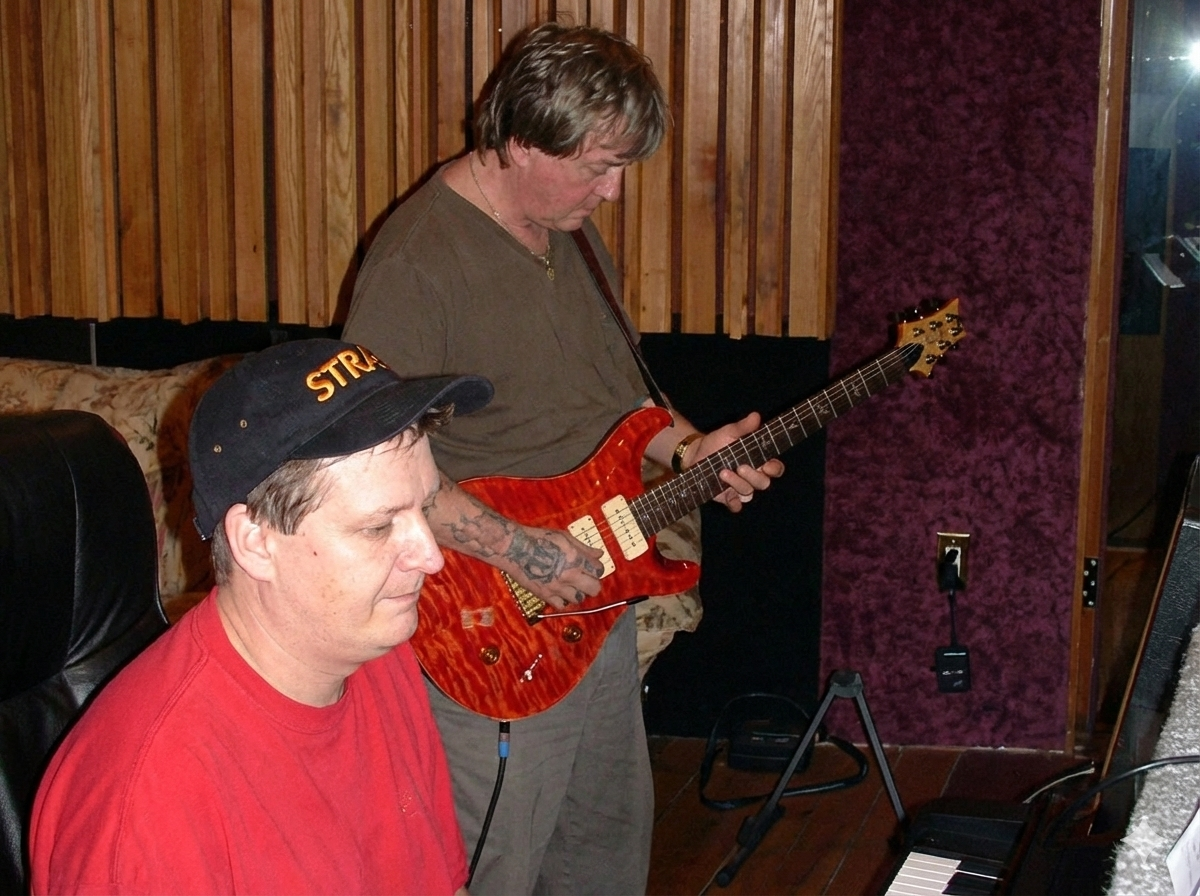
Rock and Roll Hoochie Koo
SongRefiners creator, Keith Mohr shares an interesting story about how he found himself in his recording studio with a true legend, discussing a song that most everyone has heard.

You Never Know
SongRefiners creator, Keith Mohr shares an interesting story about how one band he worked with early in their career went from recording simple demo songs in his Pennsylvania studio to performing on some of the biggest stages in the world. What began as a small session turned into a powerful reminder that you never really know where talent can take someone when they keep going.

Can You Handle the Truth?
🎵 Can you handle the truth about your songs? Most people will tell you they love your music because they care about *you*—not because your song is perfect. But real growth comes from honest feedback, not flattery. Learn how to separate emotion from analysis, take critique like a pro, and use truth as fuel to get better, not bitter. 💪