
Assisted Ideation
Listen to this article
Narrated by Keith

When people talk about AI, I don’t think of “artificial intelligence.” I think of it as “Assisted Ideation.”
AI isn’t some creative genius sitting in a black box. It’s a tool—powerful, yes—but only as good as the person directing it. Left on its own, it doesn’t create anything meaningful. But in the hands of a songwriter, it can unlock ideas that were just out of reach.
That’s how I use it.
Sometimes it’s like a thesaurus—helping me find the word or phrase I can’t quite pull out of my head. Other times, it’s a production partner, helping me turn a rough demo into something that sounds polished without spending thousands in a studio.
But I don’t just push a button and call it a day.
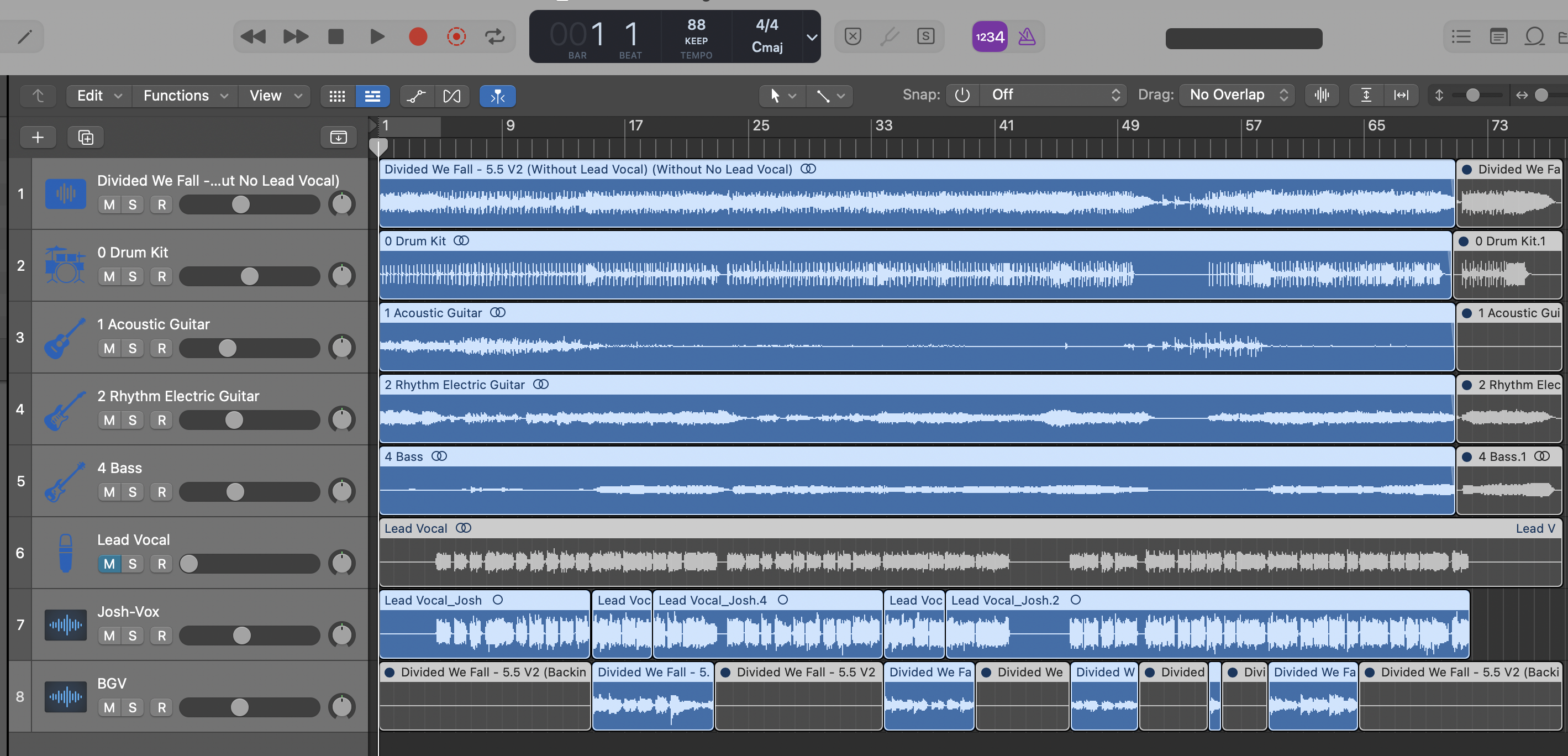
I use Apple’s DAW, “Logic Pro” to layer in my own playing—piano, arrangement ideas, musical instincts, and mix the tracks into a stereo final .wav mix—because that’s where the real artistry still lives. AI helps me move faster, but it doesn’t replace the years of experience behind the choices I make.
There’s a lot of noise right now about AI being “slop” or somehow ruining music. That’s an oversimplification.
Like any tool, the outcome depends on how it’s used.
People who rely on AI to do everything for them tend to get generic results. You can hear it immediately. But when it’s used intentionally—when it’s guided—it becomes something else entirely: a creative accelerant.
We’ve seen this pattern before.
Every major technology shift splits people into two groups: those who lean in and build with it, and those who resist it out of fear.
When the record player was introduced, John Philip Sousa warned that it would make people lazy—that kids would stop playing instruments and just sit around listening to music. That didn’t happen. If anything, music expanded. Access increased. Creativity didn’t disappear—it evolved.
That’s what’s happening again.
AI isn’t the end of songwriting. It’s a new layer in the process.
Used well, assisted ideation doesn’t dilute creativity—it sharpens it. It removes friction, speeds up iteration, and helps songwriters get closer to what they’re actually trying to say.
So instead of asking whether AI is “good” or “bad,” the better question is: how are you using it?
Because in the end, the song still comes down to the human behind it.
Check out my “Assisted Ideation” songs on my pge over on my Song Refiners site:
SongRefiners.com/Pitch/Keith
Keith Mohr
Creator/User
SongRefiners.com
Related posts
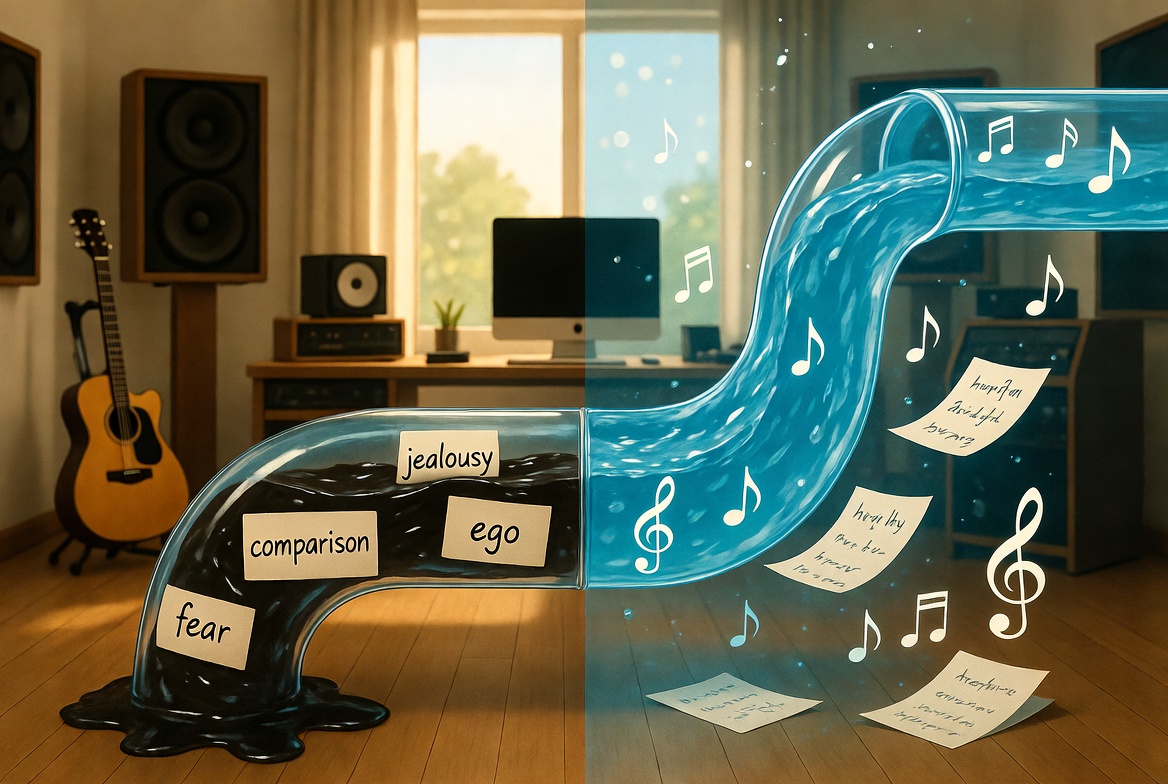
Comparison Kills Creativity (and Clogs the Pipe)
Comparison is one of the fastest ways to choke your songwriting flow. Instead of asking, “What does this song need?” you start asking, “Is this as good as theirs?” and suddenly the pipe of creativity is packed with self‑doubt, jealousy, ego, and frustration. At Song Refiners, we exist to help you clear that conduit—so you can stop competing with everyone else, start competing with yourself, and get back to writing from a clean, unclogged place.
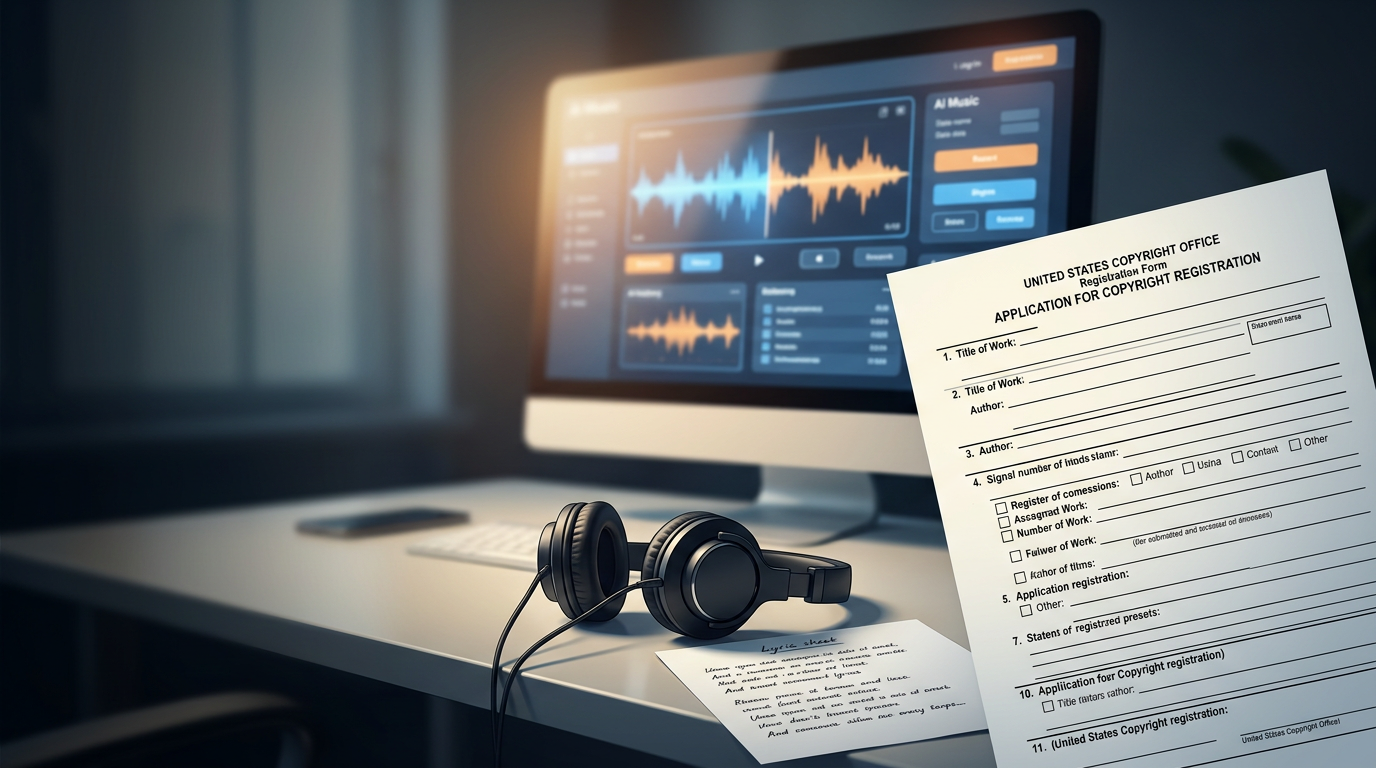
Is Your Song Right Enough to Copy?
AI song tools like Suno can turn your idea into a polished track in minutes — and that dopamine hit is real. But sounding “finished” isn’t the same as being great. Before you rush to copyright your latest AI-generated masterpiece, you need to ask a harder question: is your song actually right enough to copy, or are you just in love with the first draft the machine handed you?

From Idea to Hit: How "Drop Dead Gorgeous" Went From Title to 93/100 in One Night
I'd been sitting on the song title "Drop Dead Gorgeous" for years and never got around to writing it. You know how it is—some titles just stick in your head, waiting for the right moment. Well, I had some time on my hands recently, so I came up with the story arc and got to work.

You Can't Play the Game If You Don't Know the Score
Most songwriters go their entire careers without ever getting a real, honest score on their work. Song Refiners changes that — with a professional evaluation system built on the same standards publishers, A&R reps, and playlist curators actually use. Find out where your song really stands.
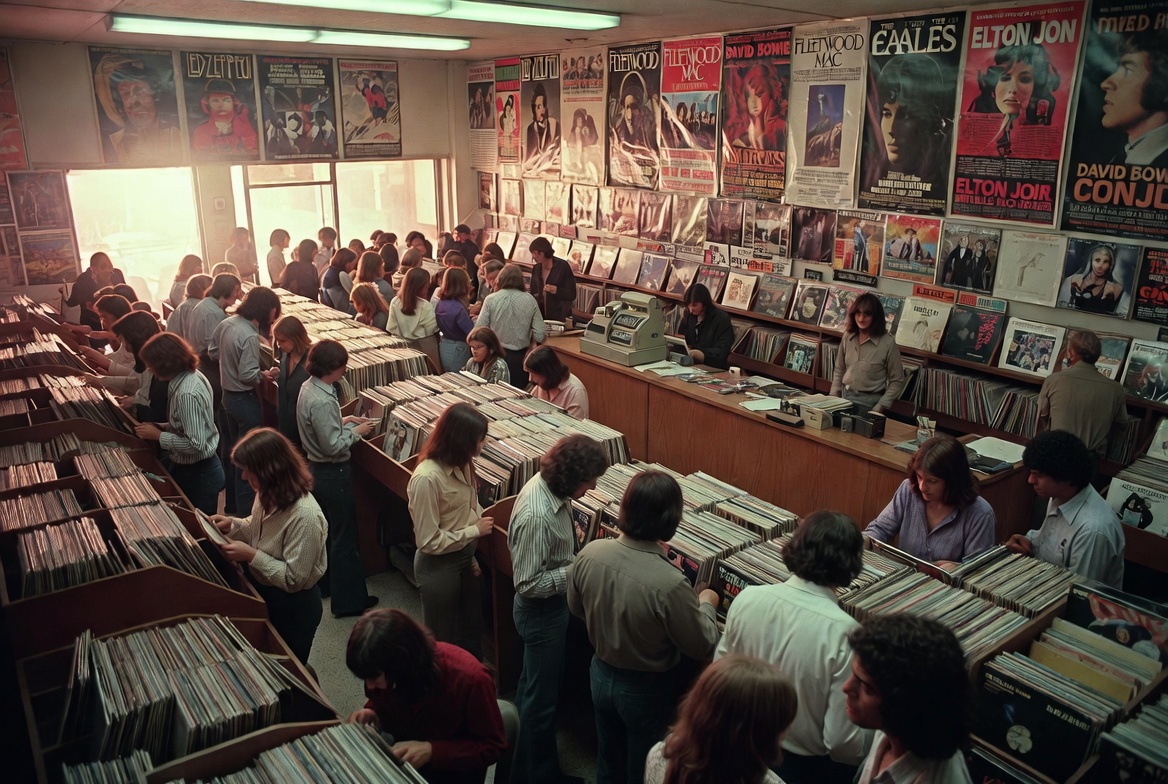
Be So Good They Can't Ignore You
More songs are released every single day than you could listen to in a lifetime. In a world flooded with AI-generated music, "pretty good" is a death sentence for your song. Here's what it actually takes to write something the world can't ignore.
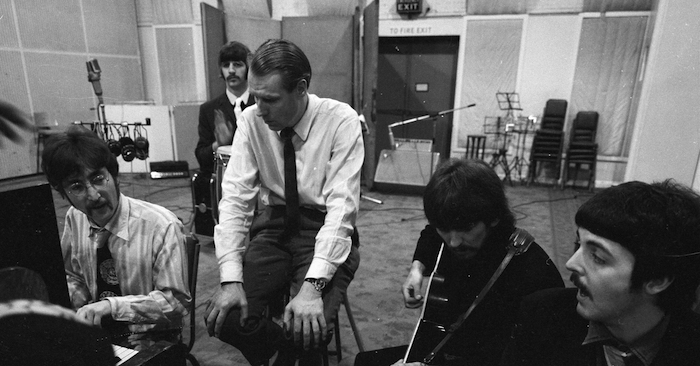
The Original Song Refiner
The Beatles didn't just write hits—they refined them. Behind their greatest songs was producer George Martin, the original 'Song Refiner' who challenged Lennon, McCartney, and Harrison to push past their first drafts. Discover how his creative process shaped music history, and how you can apply that exact same level of refinement to your own songwriting today.