
Is Your Song Right Enough to Copy?
Listen to this article
Narrated by Keith

There’s a new kind of songwriter emerging.
They’ve got ideas. Hooks. Titles. Vibes.
But instead of grinding through drafts, rewrites, and late-night second guesses, they open a tool like Suno, type a prompt, and within minutes… they’ve got a finished song.
And it sounds good.
Actually — it sounds really good.
Polished production. Tight arrangement. A convincing vocal. The kind of track that, ten years ago, would’ve taken a full studio and a team to pull off.
So what’s the problem?
The problem is that “sounds good” isn’t the same as is good.
The Dopamine Trap
AI song platforms are incredibly good at delivering instant emotional payoff.
You hit “generate,” and seconds later, your idea comes back as a fully formed track. That moment hits hard. It feels like you created something real. Something valuable.
That’s dopamine.
And dopamine doesn’t care about quality. It cares about reward.
So now you’ve got a song that feels like a hit… but you don’t yet have the perspective to know if it actually is.
The Illusion of Greatness
Here’s what AI does exceptionally well:
It takes something halfway decent… and makes it sound finished.
But “finished” can hide a lot of problems.
-
Lyrics that are generic or predictable
-
Melodies that never quite lift
-
Structures that don’t fully deliver payoff
-
Emotional moments that almost land — but don’t stick
AI smooths everything out. It wraps your idea in a convincing package.
But underneath?
Most of these songs aren’t breaking new ground. They’re not saying anything fresh. They’re not hitting with the kind of precision that makes people want to replay, share, or remember them.
They’re good enough to enjoy once.
Not good enough to matter.
The Rush to Protect
Here’s where it gets interesting.
A lot of creators get their AI-generated song back… and immediately start thinking:
“I need to copyright this.”
That instinct comes from attachment.
You’ve just “birthed” something. Of course you want to protect it.
But let’s ask a harder question:
Is your song actually good enough to copyright?
Or more bluntly:
Is it right enough to copy?
Because the truth is simple:
Nobody is out there looking to steal average songs.
Ideation vs. Creation
There’s a massive difference between having an idea and executing it at a high level.
AI closes that gap just enough to create confusion.
You bring the spark — the concept, the title, the direction.
AI brings the structure, the sound, the polish.
But great songs don’t live in the spark. They live in the details:
-
The exact lyric choice that cuts deeper
-
The melodic turn that surprises you
-
The production decision that elevates emotion
-
The arrangement that builds and releases tension perfectly
Those things don’t come from a single prompt.
They come from refinement.
Iteration. Perspective. Taste.
What Great Actually Takes
The songs that get copied — the ones that matter — go through a process.
They’re challenged. Pulled apart. Rewritten. Reimagined.
They don’t just sound finished.
They are finished.
That’s the gap most AI creators never cross.
Not because they can’t.
Because they don’t realize they need to.
So… Is Your Song Right Enough to Copy?
If your song is truly great — undeniably strong in lyric, melody, structure, and emotional impact — then yes, protect it.
But if it just feels great because AI made it sound that way…
You’re not protecting a masterpiece.
You’re protecting a first draft.
And first drafts aren’t where great songs live.
They’re where they start.
Where Song Refiners Comes In
At Song Refiners, we don’t generate songs.
We make them better.
We take what you’ve created — whether it started with AI or not — and help you see it clearly.
What’s working. What’s not. What could be pushed further.
Because the goal isn’t to have a song that sounds good for a moment.
The goal is to have a song that holds up. That connects. That stands out.
A song that’s not just finished…
But right.
If your song came from an AI prompt, you don’t need more hype — you need someone to tell you the truth about it.
Song Refiners gives you a focused critique of your song: where it stands, what’s actually working, and what still sounds like a first draft. No ego strokes, no vague “nice song” comments — just clear, honest feedback that helps you turn an AI-generated idea into a song with real, lasting value.
You can run your first song through Song Refiners for FREE — and see exactly how “right” it really is. If it’s close, we’ll show you how to push it over the line. If it’s not, we’ll help you understand why, so your next song is stronger from bar one.
If you’re serious about songwriting — not just the dopamine hit of a fast AI demo — make your song right enough to copy.
Submit your song to Song Refiners now and get your critique started today.
Your first critique is on us.
SongRefiners.com
Related posts

From Idea to Hit: How "Drop Dead Gorgeous" Went From Title to 93/100 in One Night
I'd been sitting on the song title "Drop Dead Gorgeous" for years and never got around to writing it. You know how it is—some titles just stick in your head, waiting for the right moment. Well, I had some time on my hands recently, so I came up with the story arc and got to work.
You Can't Play the Game If You Don't Know the Score
Most songwriters go their entire careers without ever getting a real, honest score on their work. Song Refiners changes that — with a professional evaluation system built on the same standards publishers, A&R reps, and playlist curators actually use. Find out where your song really stands.
Be So Good They Can't Ignore You
More songs are released every single day than you could listen to in a lifetime. In a world flooded with AI-generated music, "pretty good" is a death sentence for your song. Here's what it actually takes to write something the world can't ignore.
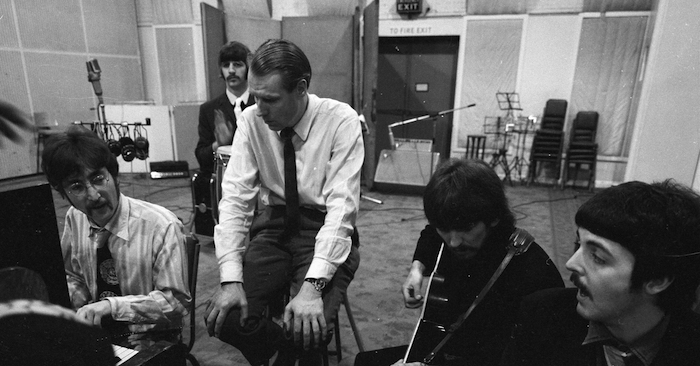
The Original Song Refiner
The Beatles didn't just write hits—they refined them. Behind their greatest songs was producer George Martin, the original 'Song Refiner' who challenged Lennon, McCartney, and Harrison to push past their first drafts. Discover how his creative process shaped music history, and how you can apply that exact same level of refinement to your own songwriting today.
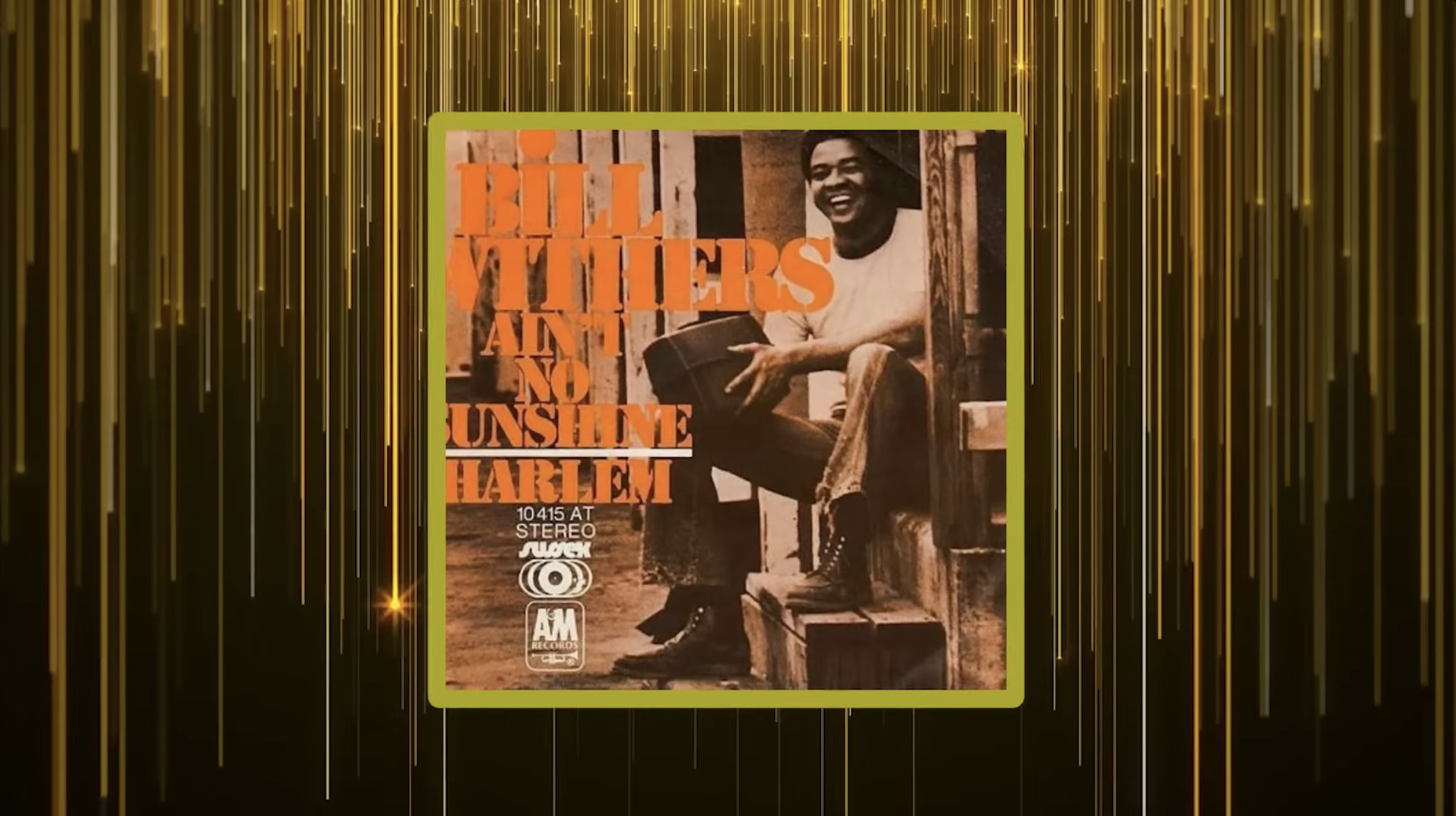
I Know
Explore a Song Refiners-style critique of Bill Withers’ “Ain’t No Sunshine,” focusing on the 26 “I know” hook, lyric repetition, and why this risky writing choice still works today.

Rich and Famous
Most songwriters want to be rich and famous, but the fastest way to kill that dream is to keep writing songs that aren’t rich enough to make anyone care. Find out what it takes to be rich and famous.