
From Idea to Hit: How "Drop Dead Gorgeous" Went From Title to 93/100 in One Night

Drop Dead Gorgeous
A pop song with the ultimate cliff hanger
I'd been sitting on the song title "Drop Dead Gorgeous" for years and never got around to writing it. You know how it is—some titles just stick in your head, waiting for the right moment. Well, I had some time on my hands recently, so I came up with the story arc and got to work.
I won't lie: I use AI to help me lock in the lyrics. I'm very creative when it comes to ideas, but I took English as a foreign language in high school, lol. So I collaborated with my favorite AI, Perplexity. We've written a bunch of songs together at this point. I treat Perplexity like I would if I had a great co-writer in the room with me. I bounce ideas off of it, it gives me feedback, I refine the lyrics, and we keep going back and forth until we have the song basically written.
Then, I take it to Song Refiners—the app I built to help songwriters do exactly what I'm doing: refining and increasing the value of their songs.
The Concept: Flipping the Script
The core idea was simple but effective: what if the guy who always gets the girl suddenly meets the one woman who couldn't care less?
Most love songs are about pursuit, but I wanted to write about ego disruption. The narrator isn't some lovesick romantic—he's a confident guy used to being chased. When he spots this stunning woman on a busy New York street and she completely ignores him, it throws his entire world off balance.
The twist? She finally agrees to a date, but the silence is deafening. The song ends at her doorstep with the ultimate unresolved question: does he get the kiss or the cold goodbye?
You never find out. That's the hook.
The Writing Process: AI as Co-Writer
Once I had the story arc, I opened up Perplexity and started building the lyrics. Here's how the collaboration worked:
Step 1: Establish the World
I told Perplexity the setup: confident guy, drop-dead gorgeous woman, New York City, luxury brands, complete indifference. I wanted the lyrics to show the scene, not just tell it.
Perplexity suggested starting with brand names—Prada, Vuitton, Chanel—and adding a sensory detail like her perfume (Baccarat Rouge). That immediately elevated the imagery from generic to specific.
Step 2: Build the Contrast
The key to the song was contrast: his usual success vs. her total dismissal. Perplexity helped me frame the opening line to establish his "status" immediately:
"They're usually lining up, coming around
Catchin' my eye, wantin' what's mine."
That set the stakes. Now when she ignores him, it hurts.
Step 3: Show, Don't Tell
I kept asking Perplexity to replace any "telling" with "showing." Instead of saying "she ignored me," we wrote:
"She keeps her eyes ahead, like a runway never slows."
Instead of "the date was awkward," we wrote:
"Now I'm sitting at the table, watching ice melt in her glass,
Expensive wine untouched, just letting silence pass."
Every placeholder got replaced with something concrete and visual.
Step 4: Add Production Cues
Since I was planning to produce this in Suno, Perplexity helped me add specific vocal and sound design notes right into the lyrics:
-
[Teaser: Whispered, Close Mic, Dry, No Reverb] for the opening line
-
[Spoken Sample: Female Voice, Flat, Breathless, Dry] for her one-word answer: "fine"
This turned the lyric sheet into a production blueprint.
The Refinement Process: Song Refiners in Action
Once we had a solid draft, I ran it through Song Refiners. The first version scored 78/100. Not bad, but not release-ready.
Song Refiners flagged three main issues:
-
Generic phrases like "hot but cold as ice" and "one hell of a smell"
-
Missing sensory details in the coffee shop and restaurant scenes
-
Weak internal rhymes that didn't match the luxury theme
So Perplexity and I went back to work.
Version 2: Replace Clichés (80/100)
We swapped "cold as ice" for "won't look twice" and changed "one hell of a smell" to "got me under a spell." Immediately more original.
Version 3: Add Luxury-Specific Imagery (82/100)
We changed "the wind keeps blowing" to "like a runway never slows," tying her indifference directly to the high-fashion world we'd established.
Version 4: Sensory Details (84/100)
Added "marble counters, leather chairs" to the coffee shop and "expensive wine untouched" to the dinner scene. Now every setting felt upscale.
Version 5: Physical Time Markers (86/100)
Changed "three weeks in" to "three lattes in"—a concrete, relatable detail that showed time passing without just stating it.
Version 6: Micro-Refinements (89/100)
Changed "wantin' my crown" to "wantin' what's mine" (more possessive, less royal). Added "she waves me off like air" to show his rejected chivalry at the restaurant.
Version 7: Production-Ready (91/100)
Finalized all production cues and ensured every line had a specific, visual image. No placeholders left.
Version 8: Final Polish (92/100)
Tightened syllable counts, clarified the bridge lighting ("her porch light's cold blue glow"), and locked in the layered post-chorus chant.
The Production: Bringing It to Life in Suno
With the lyrics at 92/100, I took the song to Suno. I gave it detailed tags and production notes:
Genre Tags:
text[Pop, Modern Pop, Max Martin Style, Confident Male Vocal, Staccato Percussion, Luxury Pop, 2020s Production, Synth Pop, Urban Pop, Radio Ready]
Key Production Elements:
-
4-bar percussive intro before the whispered teaser
-
Female spoken-word sample for "fine" (flat, breathless, no reverb)
-
Cold blue synth pad in the bridge
-
Distorted reverb fade on "You'll never know..."
Suno nailed it. The production brought the cinematic tension to life— the spoken "fine" cut through like ice, and the layered post-chorus turned into an earworm.
The Final Score: 93/100
When I ran the finished production back through Song Refiners, it scored 93/100:
-
Title: 85/100
-
First Line/Hook: 84/100
-
Lyrics: 96/100
-
Arrangement: 95/100
93/100 puts the song in the top 7% of all submissions. That's professional, radio-ready, playlist-worthy material.
What I Learned: The Power of Iteration
Here's the truth: the first draft was good, but not great. It took 8 rounds of refinement to get from 78 to 93. Each pass made the song tighter, more specific, and more cinematic.
Key Takeaways:
-
Replace every cliché with something surprising. "Cold as ice" became "won't look twice."
-
Show, don't tell. Instead of "she ignored me," write "she keeps her eyes ahead, like a runway never slows."
-
Use luxury-specific imagery. Brand names, sensory details, and physical objects make the world feel real.
-
Add production cues to the lyrics. Turn your lyric sheet into a roadmap for the producer.
-
Iterate relentlessly. Every round of feedback made the song better.
The Cover Art: Completing the Package
Once the song was done, I used AI to generate cover art that matched the lyrics: a stunning redhead with shopping bags from Prada, Vuitton, and Chanel, standing on a New York street at golden hour with an ice-cold stare. The visual perfectly captures the "drop dead gorgeous" energy.
Final Thoughts: AI as Creative Partner
I'm not precious about the tools I use. If AI helps me get to the best version of the song faster, I'm all in. Perplexity didn't write the song—I came up with the concept, the story arc, the emotional beats, and the creative decisions. But Perplexity helped me execute those ideas with precision.
Think of it like having a co-writer who never gets tired, never runs out of suggestions, and always pushes you to be more specific. That's how I use AI.
And Song Refiners? It's the objective feedback engine that tells me exactly where the weak spots are so I can fix them before I release.
From title to production, "Drop Dead Gorgeous" took one night and 8 iterations. The result is a 93/100 pop song that's ready for Spotify, playlists, and sync licensing.
If you've been sitting on a song idea for years, stop waiting. Get to work. Use every tool at your disposal. Iterate until it shines.
That's how you turn a title into a hit.
Related posts

You Can't Play the Game If You Don't Know the Score
Most songwriters go their entire careers without ever getting a real, honest score on their work. Song Refiners changes that — with a professional evaluation system built on the same standards publishers, A&R reps, and playlist curators actually use. Find out where your song really stands.
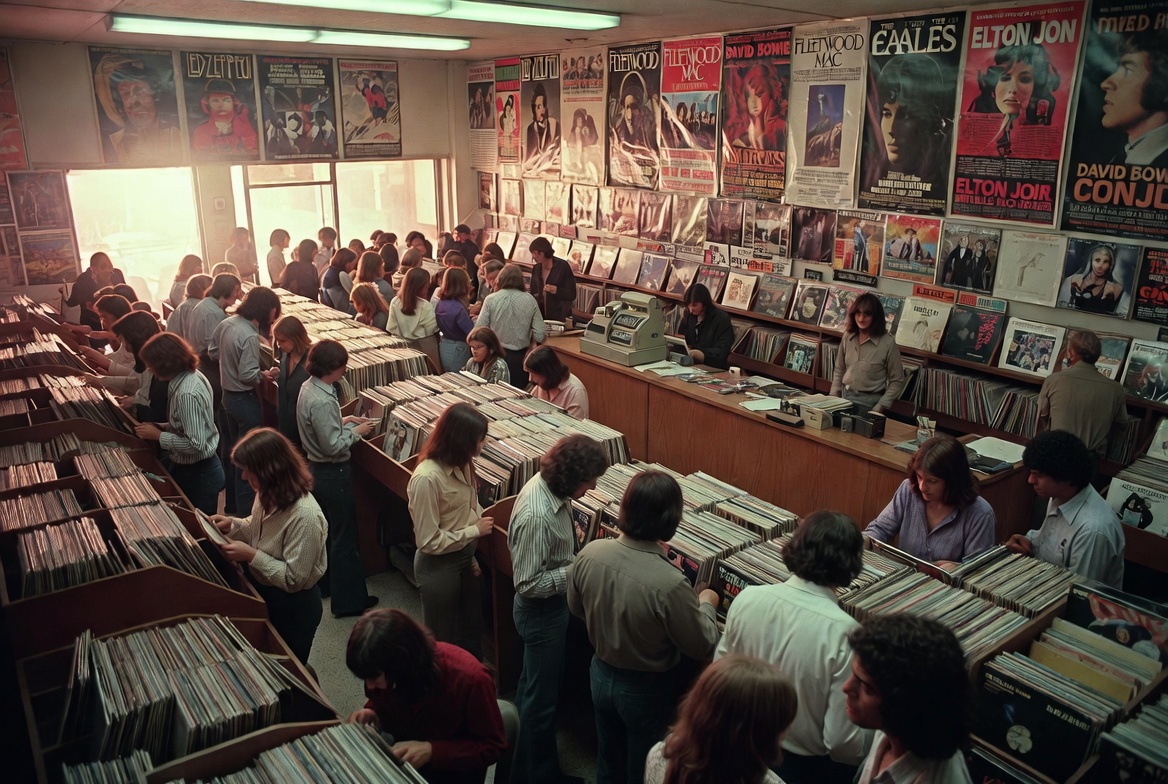
Be So Good They Can't Ignore You
More songs are released every single day than you could listen to in a lifetime. In a world flooded with AI-generated music, "pretty good" is a death sentence for your song. Here's what it actually takes to write something the world can't ignore.
The Original Song Refiner
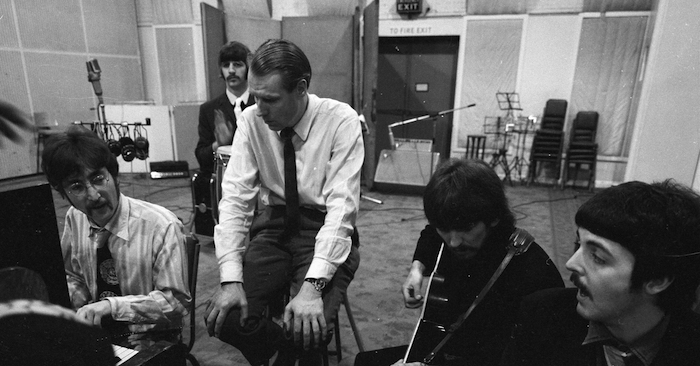
The Beatles didn't just write hits—they refined them. Behind their greatest songs was producer George Martin, the original 'Song Refiner' who challenged Lennon, McCartney, and Harrison to push past their first drafts. Discover how his creative process shaped music history, and how you can apply that exact same level of refinement to your own songwriting today.
I Know
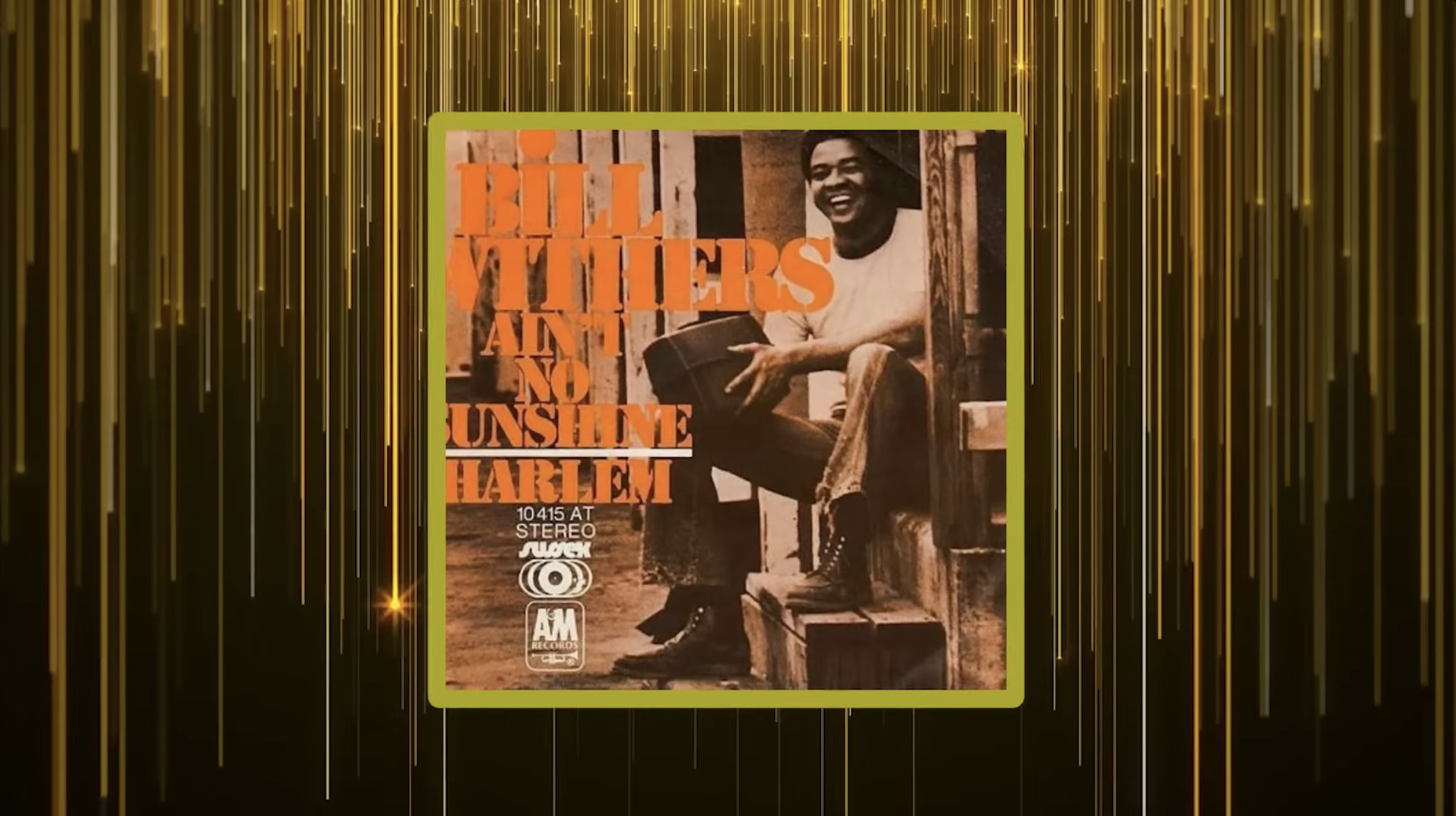
Explore a Song Refiners-style critique of Bill Withers’ “Ain’t No Sunshine,” focusing on the 26 “I know” hook, lyric repetition, and why this risky writing choice still works today.

Rich and Famous
Most songwriters want to be rich and famous, but the fastest way to kill that dream is to keep writing songs that aren’t rich enough to make anyone care. Find out what it takes to be rich and famous.

Are You Ready to Refine?
Every songwriter has songs that could be better. So why don't we fix them? Pride, laziness, bitterness, they all whisper the same lie: "It's fine the way it is." Here's why that mindset is costing you.