
Why Your Songwriter Growth Stops The Minute You Think You Have Arrived
Listen to this article
Narrated by Keith
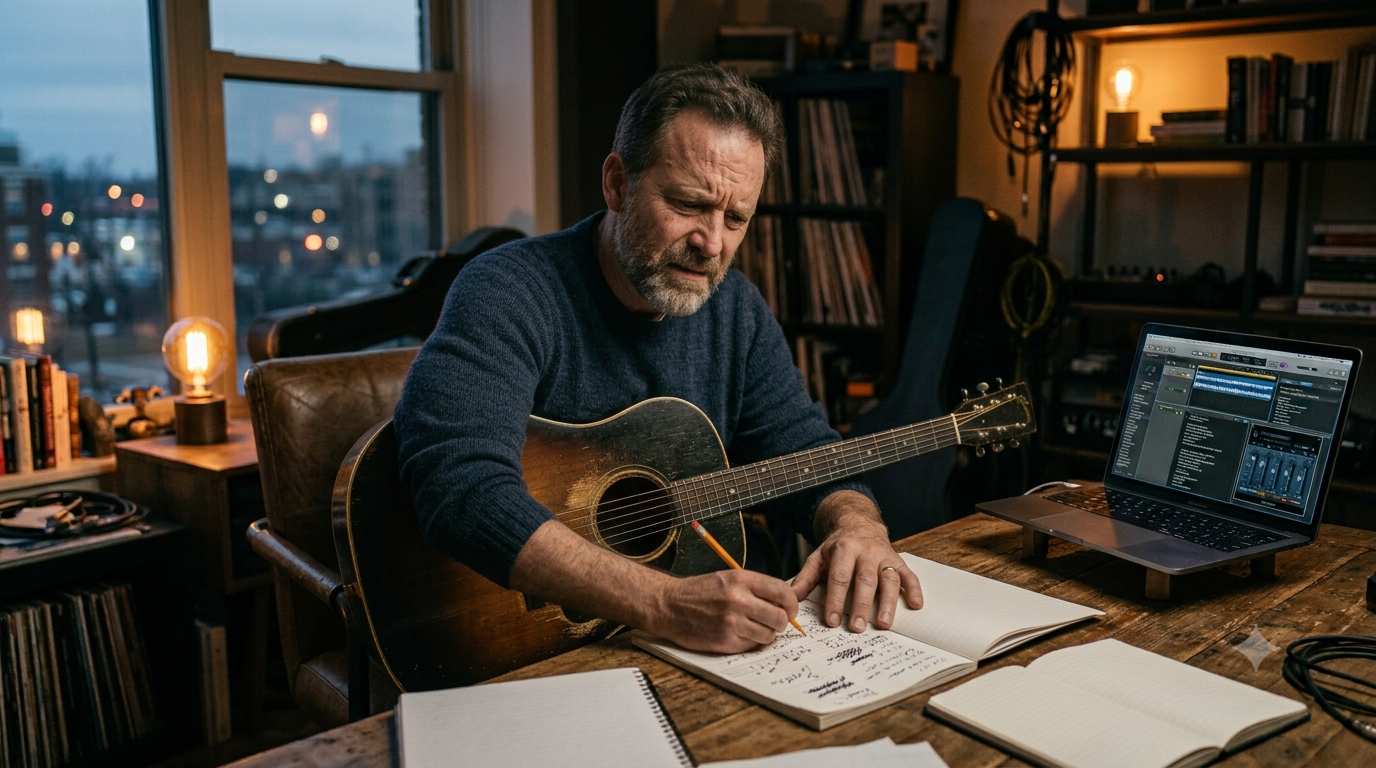
There is a dangerous moment in every songwriter’s journey. It is not failure. It is not rejection. It is not even writer’s block.
It is the moment you quietly decide you have arrived.
You may not say it out loud. Most don’t. But it shows up in your habits. You stop studying songs as deeply. You stop seeking feedback. You start trusting your instincts a little too much. You begin writing from what you already know instead of pushing into what you do not.
That is when growth stalls.
I have seen this pattern for decades. Talented writers hit a level where their songs are solid. Maybe even good enough to get attention. And instead of doubling down on growth, they shift into maintenance mode. They protect what they have instead of expanding it.
The problem is simple. Songwriting is not a static skill. It is a moving target.
The bar keeps rising. Production evolves. Listener expectations shift. Melodic trends change. Lyrical phrasing gets tighter. If you are not actively growing, you are slowly falling behind whether you realize it or not.
What makes this especially tricky is that early success can mask the problem. A few wins can convince you that your current approach is working well enough. And “well enough” is where a lot of writers get stuck for years.
Growth requires tension. It requires being uncomfortable with your own work.
If you still love most of what you write, that is a red flag. Not because your songs are bad, but because you are no longer stretching. The best writers I know are often the most dissatisfied. They hear the gap between what they wrote and what it could have been.
That gap is where growth lives.
Another warning sign is how you handle feedback. When you are growing, feedback is fuel. When you think you have arrived, feedback feels like a threat. You start defending choices instead of examining them. You explain instead of listening.
That shift alone can stall your progress indefinitely.
The writers who keep improving have a different mindset. They assume there is always another level. They study songs that outperform theirs and ask hard questions. Why does that chorus hit harder? Why is that lyric more memorable? Why does that melody feel inevitable?
They do not rely on talent. They build skill.
They also stay brutally honest with themselves. They know the difference between a song that is finished and a song that is competitive. Those are not the same thing.
If you want to keep growing, you need to actively put yourself back in the role of a student. That might mean getting outside feedback again. It might mean analyzing current hits instead of writing in your comfort zone. It might mean scrapping songs that are good but not great.
None of that feels great in the moment. But it is the only path forward.
Arrival is an illusion in songwriting. The minute you believe it, you stop doing the very things that got you there.
And when that happens, someone else who is still hungry, still learning, and still pushing will pass you.
Every time.
Related posts

Assisted Ideation
AI isn’t replacing songwriters—it’s amplifying them. I don’t use it as a shortcut or a black box; I use it like a creative co-writer and a high-end studio in my laptop, helping me move faster, go deeper, and get closer to the songs I was trying to write all along.
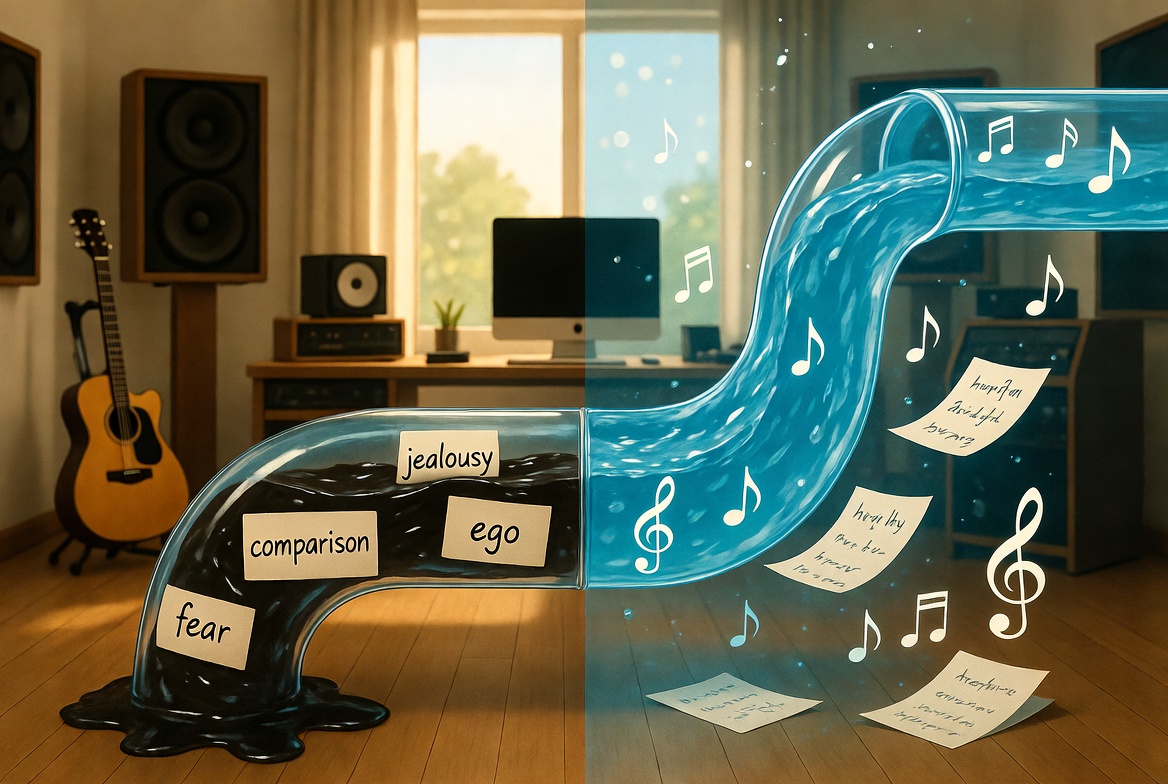
Comparison Kills Creativity (and Clogs the Pipe)
Comparison is one of the fastest ways to choke your songwriting flow. Instead of asking, “What does this song need?” you start asking, “Is this as good as theirs?” and suddenly the pipe of creativity is packed with self‑doubt, jealousy, ego, and frustration. At Song Refiners, we exist to help you clear that conduit—so you can stop competing with everyone else, start competing with yourself, and get back to writing from a clean, unclogged place.
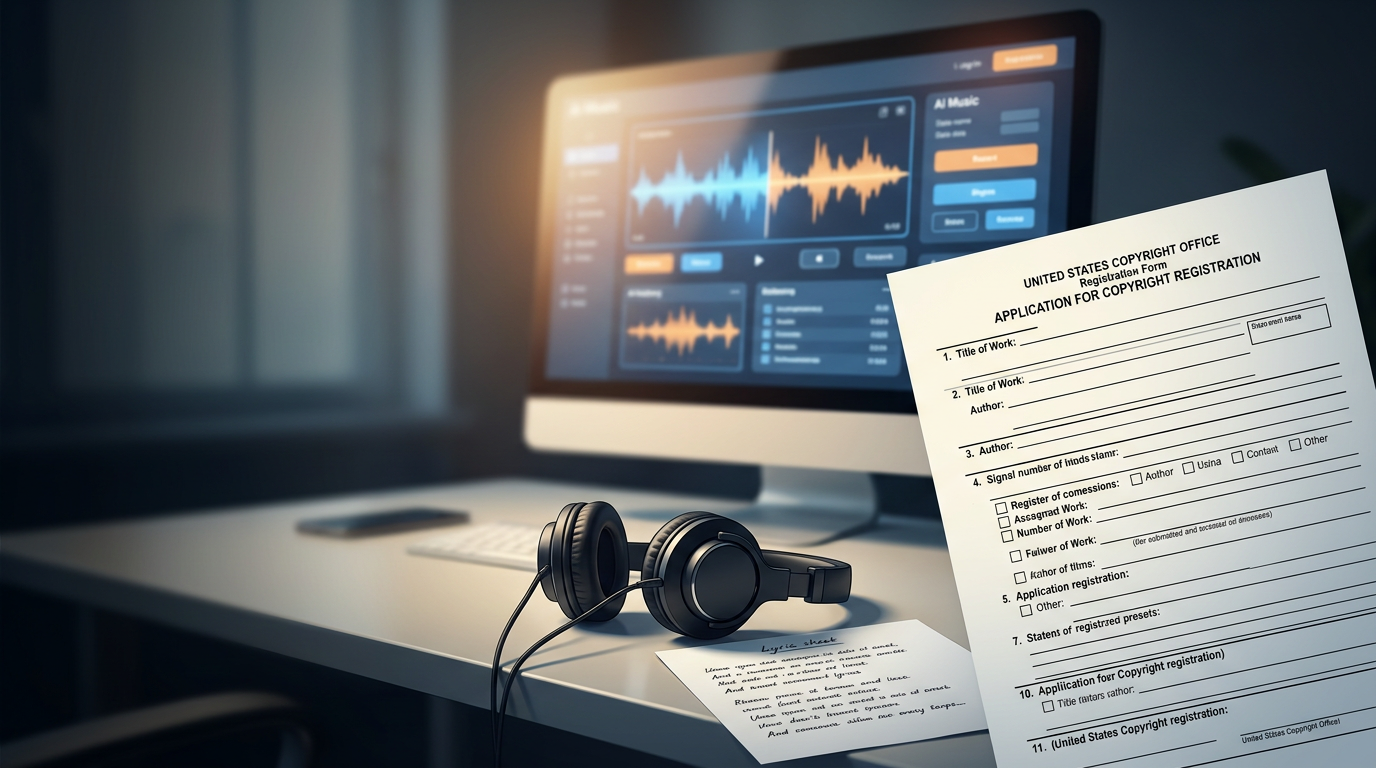
Is Your Song Right Enough to Copy?
AI song tools like Suno can turn your idea into a polished track in minutes — and that dopamine hit is real. But sounding “finished” isn’t the same as being great. Before you rush to copyright your latest AI-generated masterpiece, you need to ask a harder question: is your song actually right enough to copy, or are you just in love with the first draft the machine handed you?

From Idea to Hit: How "Drop Dead Gorgeous" Went From Title to 93/100 in One Night
I'd been sitting on the song title "Drop Dead Gorgeous" for years and never got around to writing it. You know how it is—some titles just stick in your head, waiting for the right moment. Well, I had some time on my hands recently, so I came up with the story arc and got to work.
You Can't Play the Game If You Don't Know the Score
Most songwriters go their entire careers without ever getting a real, honest score on their work. Song Refiners changes that — with a professional evaluation system built on the same standards publishers, A&R reps, and playlist curators actually use. Find out where your song really stands.
Be So Good They Can't Ignore You
More songs are released every single day than you could listen to in a lifetime. In a world flooded with AI-generated music, "pretty good" is a death sentence for your song. Here's what it actually takes to write something the world can't ignore.