

Is It Real, Or Is It...
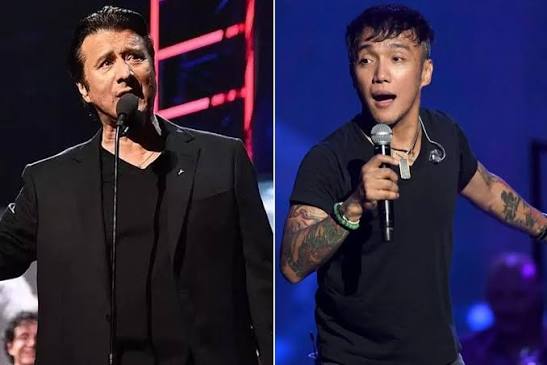
I’ve been thinking about where live music is headed, especially for legacy bands with iconic lead singers.
Take Journey. Steve Perry has one of the most recognizable voices in rock history. Arnel Pineda is a great singer and he does an impressive job carrying those songs, but nobody truly sounds exactly like Steve Perry. The same issue applies to artists like Jon Bon Jovi, Axl Rose, Lou Gramm, and many others. These are singers with catalogs built around huge, difficult vocals that were recorded when they were younger and at the top of their range.
So here’s the question: is technology already being used to close that gap?
We already know live Auto-Tune is common. Most major tours run on computers now. The band plays to a click. Lights, video, backing tracks, effects, tempo changes, and even specific musical cues are all synced to the show computer. A lot of fans may not realize how much of a major concert is already being managed behind the scenes.
The next logical step is not just tuning a singer to the right key. It is giving the system the exact melody in advance.
Imagine every song has a MIDI track containing the correct lead-vocal notes, timed precisely to the click and the arrangement. The singer still sings the lyrics live. He provides the phrasing, timing, emotion, breath, articulation, energy, and connection with the audience. But the computer knows exactly what note he is supposed to be singing at every moment and can pull him into the correct pitch.
That is beyond ordinary Auto-Tune. It is more like the singer is triggering a predetermined vocal melody in real time.
Then take it another step.
What if the live vocal is fed into an AI voice model trained on the original singer? In Journey’s case, that could be a Steve Perry model. Arnel sings live, the system corrects the pitch to the exact intended melody, and an AI layer shapes some of the vocal tone, phrasing, color, and character closer to the sound fans remember from the classic records.
Not necessarily 100 percent. In fact, the smartest version would probably be subtle.
Arnel’s live vocal could remain the foundation. The AI layer might come up slightly during signature lines, big choruses, difficult upper-register notes, or the moments where fans most expect to hear that familiar Steve Perry sound. The audience would still be watching Arnel sing. He would still be carrying the show. But the finished sound coming through the PA could be closer to the record people grew up with.
The same idea could help an aging singer like Jon Bon Jovi. It would not fix a damaged vocal cord or restore physical vocal strength. But it could help him deliver the songs in a more consistent way. It could lock difficult melodies into the intended notes and add some of the vocal identity listeners associate with his classic recordings.
And honestly, why wouldn’t some artists already be doing something close to this?
We know many performers use backing tracks. We know some singers use pre-recorded lead vocals. We know artists use doubled vocals, harmony tracks, pitch correction, vocal effects, and samples. Britney Spears has long been associated with a mix of live vocals and playback in demanding choreography-based shows. Milli Vanilli became the cautionary tale because the visible performers were not actually the voices on the records.
But there is a large middle ground between a completely raw lead vocal and total lip-syncing.
A singer can be genuinely performing live while being helped by technology. The audience may hear a blend of a live mic, live pitch correction, prerecorded doubles, vocal harmonies, effects, and possibly some form of AI-generated vocal reinforcement. That may already be happening in ways most fans would never recognize.
If a band had a well-designed system, it could work like this:
Live singer
→ MIDI-driven pitch correction
→ vocal processing
→ AI voice-character layer
→ support vocals and effects
→ front-of-house mix
The singer is still doing the job. He still has to know the lyrics, hit the entrances, carry the phrasing, interact with the crowd, and deliver the emotion. But the technology is helping the show sound more like the audience hopes it will sound.
That may be where we are headed.
At first, artists probably will not call it AI voice cloning. They may call it live vocal production, vocal reinforcement, show playback, enhanced harmonies, or simply modern production. That is how things usually happen. Technology enters quietly, artists use it privately, fans slowly become used to it, and eventually it becomes normal.
Auto-Tune followed that path. For years, nobody wanted to admit they used it. Now it is common enough that most people barely think about it.
AI voice technology may be next.
The real question is where the line should be. Is it acceptable to help an aging singer deliver the songs fans paid to hear? Probably. Is it acceptable to use technology to reinforce the sound of an original singer who is no longer in the band? Maybe, especially if that original singer approves it. Is it acceptable to replace the entire live performance with an AI vocal while pretending the person onstage is singing? That is where it starts to feel like deception.
But like it or not, we are getting close to a time when audiences may not be able to tell the difference.
Maybe they are already hearing it
Keith Mohr
Creator/User
SongRefiners.com
Related posts

What A Song Critique Costs
Real prices for professional song critiques in 2026, from NSAI and The Song Foundry to AI tools. What you get at each price, and what you actually need.
Rate My Suno Song: How to Get Real Feedback That Helps
Scoring tools tell you a Suno song is a 62. They cannot tell you why. Here is how to get feedback on AI-assisted music that actually improves the next one.
Why Your Songwriter Growth Stops The Minute You Think You Have Arrived
There is a moment every songwriter faces when progress quietly stops. It is not failure. It is the belief that you have arrived. That mindset kills growth faster than anything else.
Assisted Ideation
AI isn’t replacing songwriters—it’s amplifying them. I don’t use it as a shortcut or a black box; I use it like a creative co-writer and a high-end studio in my laptop, helping me move faster, go deeper, and get closer to the songs I was trying to write all along.
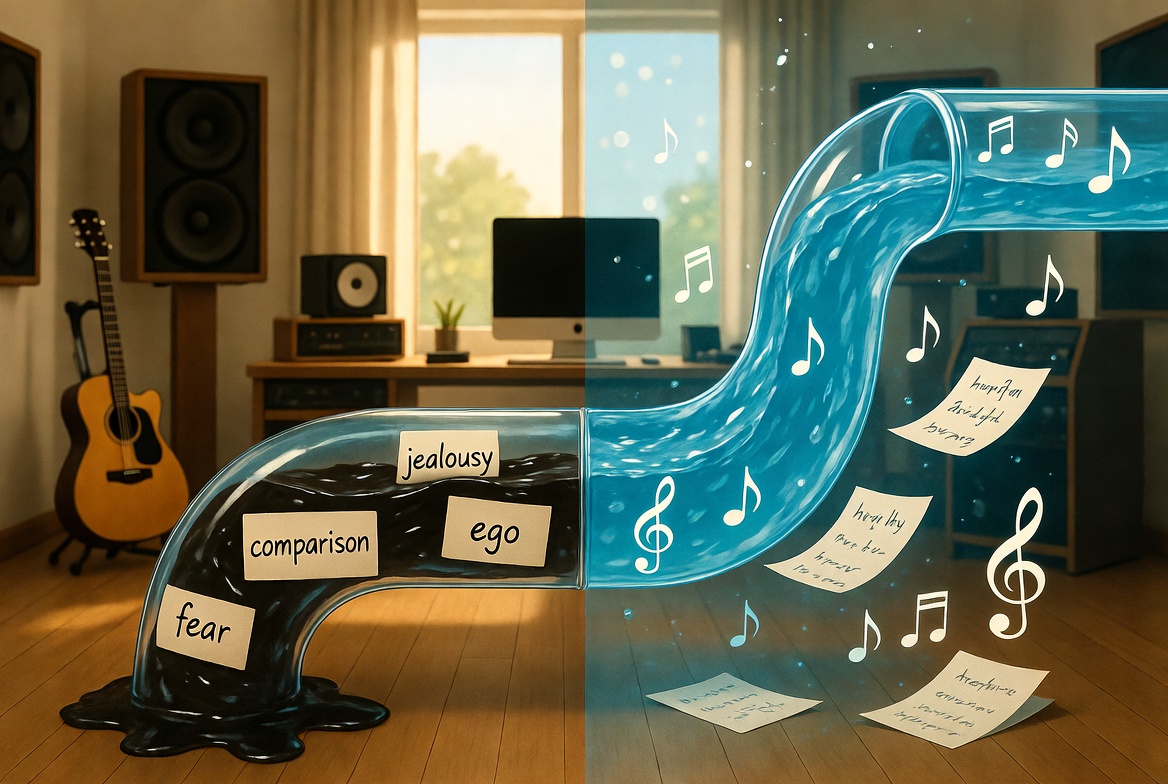
Comparison Kills Creativity (and Clogs the Pipe)
Comparison is one of the fastest ways to choke your songwriting flow. Instead of asking, “What does this song need?” you start asking, “Is this as good as theirs?” and suddenly the pipe of creativity is packed with self‑doubt, jealousy, ego, and frustration. At Song Refiners, we exist to help you clear that conduit—so you can stop competing with everyone else, start competing with yourself, and get back to writing from a clean, unclogged place.
Is Your Song Right Enough to Copy?
AI song tools like Suno can turn your idea into a polished track in minutes — and that dopamine hit is real. But sounding “finished” isn’t the same as being great. Before you rush to copyright your latest AI-generated masterpiece, you need to ask a harder question: is your song actually right enough to copy, or are you just in love with the first draft the machine handed you?