
Rate My Suno Song: How to Get Real Feedback That Helps
Listen to this article
Narrated by Keith
You made something in Suno. It sounded incredible at two in the morning. Now it is the next afternoon and you genuinely cannot tell whether it is good or whether you were just tired and excited.
So you go looking for someone to rate it.
What the scoring tools give you
There are a handful of tools now that will analyze the audio and hand you a number out of 100. They break it into things like production quality, catchiness, distinctiveness and genre competitiveness, and some of them go section by section.
They are fast, they are cheap or free, and they are legitimately useful for one thing: catching problems in the mix. If your vocal is buried or your low end is a mess, a model will spot it and it will be right.
Here is where it stops being useful. The score is a comparison, not an opinion. It tells you how your waveform stacks up against other waveforms. It does not tell you that your second verse repeats what your first verse already said, or that your title is doing no work, or that the emotional turn everything depends on lands one line too late.
You get told your song is a 62. You are not told what to do on Monday.
The thing nobody says about AI-assisted songs
I use these tools. I have written songs with Suno and with AIODE, and I run a contest for creators who do the same. So this is not a lecture from someone standing outside it.
What I have noticed, listening to a lot of AI-assisted music, is that the failure pattern is remarkably consistent. The production is usually fine. Often better than fine, because the model has heard every record ever made and knows what a mix is supposed to sound like.
The weakness is almost always the writing. Hooks that do not resolve. Second verses that restate the first. Titles that never earn their place. Endings that stop rather than land.
Which makes sense. The tool is very good at sounding like music. It has no opinion about whether your song is saying anything.
What to actually ask for
If you want feedback that improves the next song rather than just ranking this one, you need answers to questions a score cannot address.
Is the title doing work? A good title is a promise. Does yours set up something the song then delivers, or is it just a phrase from the chorus?
Does the second verse move? This is the most common failure in songs of every kind, AI-assisted or not. Verse two has to take us somewhere verse one did not.
Where does attention drop? Not whether it is catchy in the abstract. Where, specifically, does a listener start reaching for the skip button.
Would this survive being played on a guitar? Strip the production away. Is there still a song underneath, or was the production carrying it the whole time? This one is uncomfortable and it is the most useful question on the list.
What is the one change with the biggest payoff? Not fifteen notes. The one thing.
Getting your Suno song reviewed
That is the gap Song Refiners was built for. You get a score, because a number is a useful shorthand for tracking whether you are improving. But the score comes with reasoning, section-by-section feedback, and specific changes to make.
The rubric behind it comes from thirty years in the music business rather than from a model guessing. I ran a Nashville studio, I ran a songwriter competition for fourteen years that put unknown writers in front of industry people, and I have listened to a great many songs that were nearly there and needed one specific thing.
We do not penalize you for using AI. Plenty of our writers do. We score the song.
Then you rewrite it and submit it again, and the score moves or it does not, which tells you whether your instinct was right. That loop is the entire point. It is also why reviews cost about a dollar instead of thirty, because a loop you can only afford to run once is not a loop.
An honest word about what you are making
There is a version of this conversation that gets defensive, and I do not find it useful.
The interesting question is not whether AI-assisted songs are legitimate. It is whether yours is any good, which is the same question every songwriter has always had to answer and has always been bad at answering alone.
The tool changed. The problem did not. You still cannot hear your own song the way a stranger hears it, and you still need somebody to tell you the truth about it before you put it out.
That has never been something you could get from the thing that helped you make it.
Try it on the one you are unsure about
Your first review is free and we do not ask for a card. Pick the song you keep going back and forth on, the one you cannot tell about. That is the one worth finding out.
Related posts
Why Your Songwriter Growth Stops The Minute You Think You Have Arrived
There is a moment every songwriter faces when progress quietly stops. It is not failure. It is the belief that you have arrived. That mindset kills growth faster than anything else.
Assisted Ideation
AI isn’t replacing songwriters—it’s amplifying them. I don’t use it as a shortcut or a black box; I use it like a creative co-writer and a high-end studio in my laptop, helping me move faster, go deeper, and get closer to the songs I was trying to write all along.
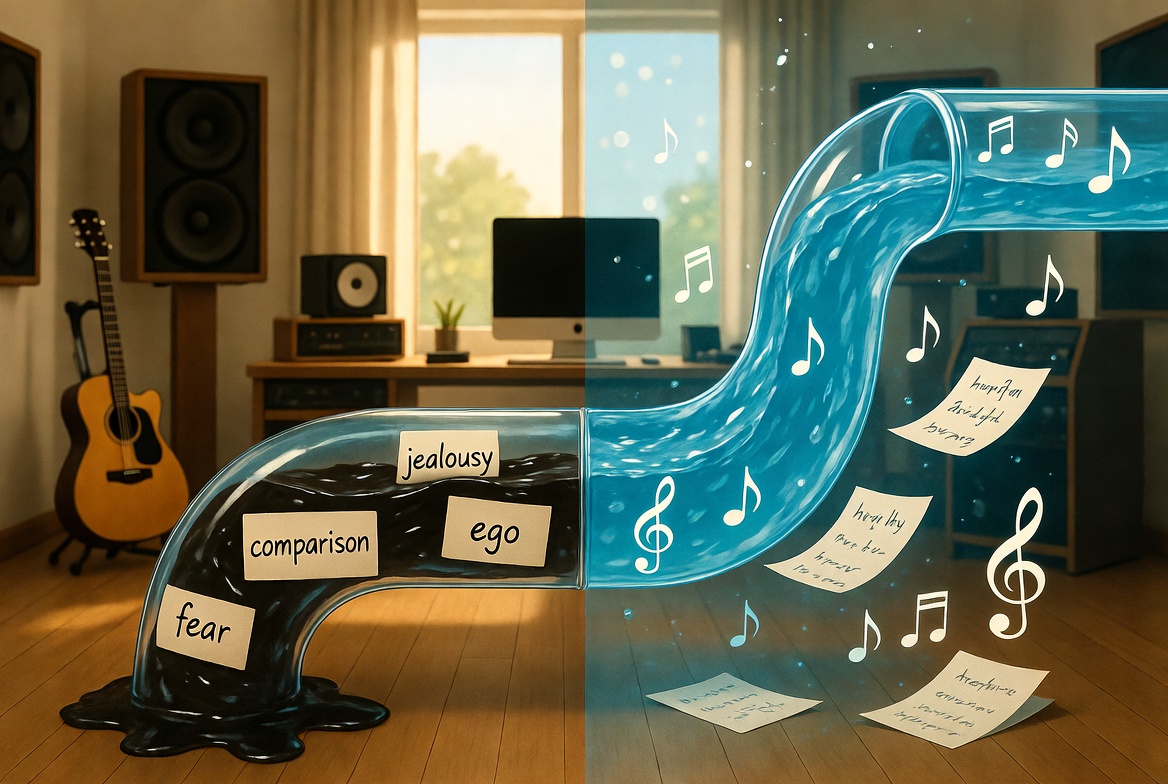
Comparison Kills Creativity (and Clogs the Pipe)
Comparison is one of the fastest ways to choke your songwriting flow. Instead of asking, “What does this song need?” you start asking, “Is this as good as theirs?” and suddenly the pipe of creativity is packed with self‑doubt, jealousy, ego, and frustration. At Song Refiners, we exist to help you clear that conduit—so you can stop competing with everyone else, start competing with yourself, and get back to writing from a clean, unclogged place.
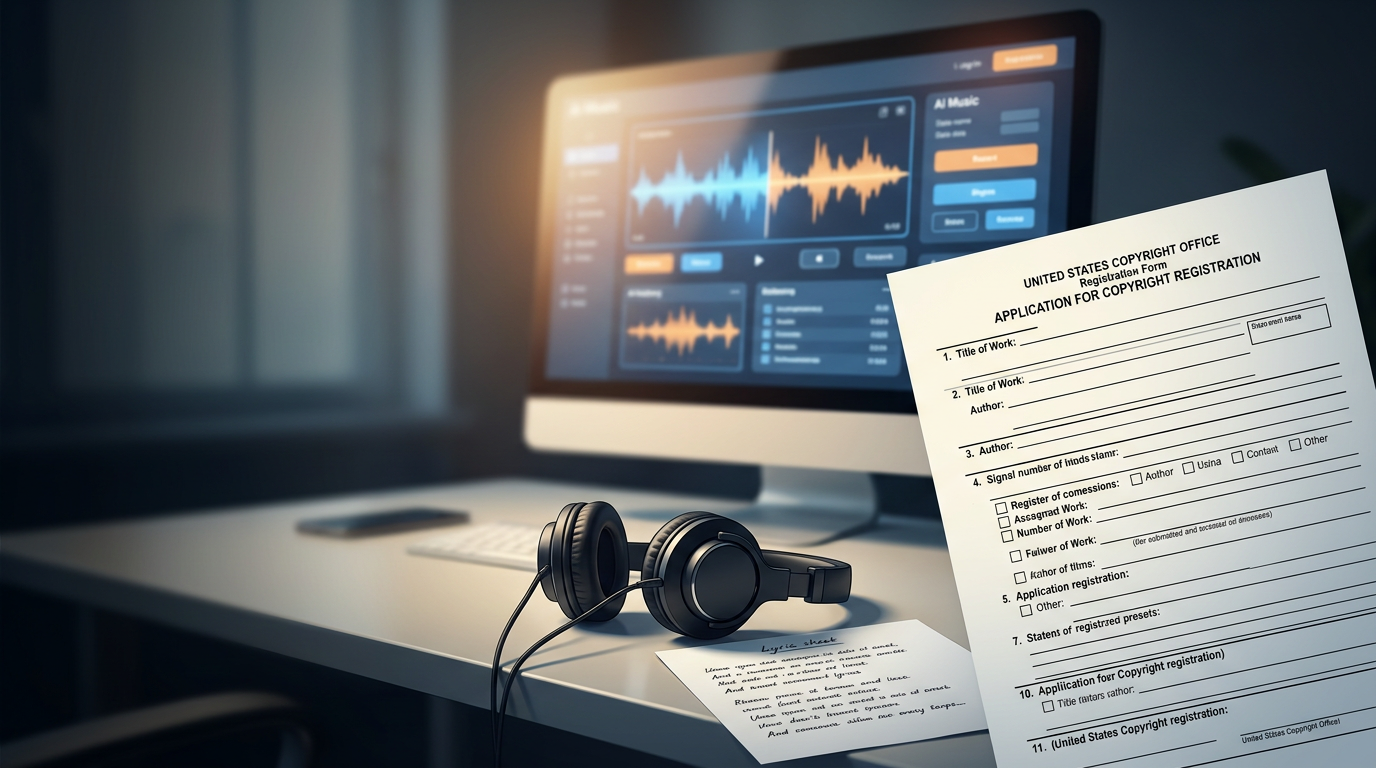
Is Your Song Right Enough to Copy?
AI song tools like Suno can turn your idea into a polished track in minutes — and that dopamine hit is real. But sounding “finished” isn’t the same as being great. Before you rush to copyright your latest AI-generated masterpiece, you need to ask a harder question: is your song actually right enough to copy, or are you just in love with the first draft the machine handed you?

From Idea to Hit: How "Drop Dead Gorgeous" Went From Title to 93/100 in One Night
I'd been sitting on the song title "Drop Dead Gorgeous" for years and never got around to writing it. You know how it is—some titles just stick in your head, waiting for the right moment. Well, I had some time on my hands recently, so I came up with the story arc and got to work.
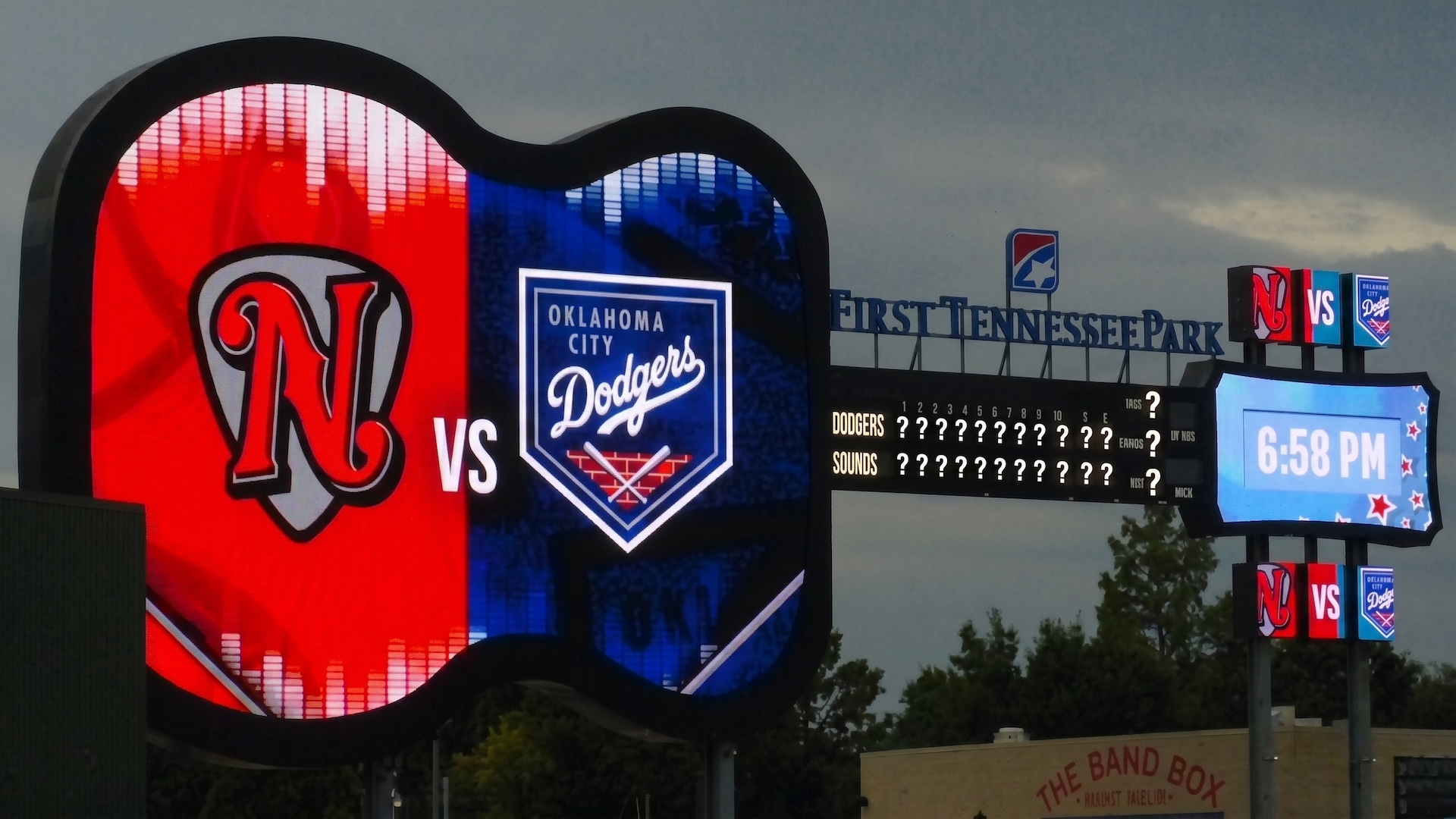
You Can't Play the Game If You Don't Know the Score
Most songwriters go their entire careers without ever getting a real, honest score on their work. Song Refiners changes that — with a professional evaluation system built on the same standards publishers, A&R reps, and playlist curators actually use. Find out where your song really stands.